
Susannah Streeter, Senior Investment and Markets Analyst at Hargreaves Lansdown:
“Bitcoin has been on a rollercoaster ride during the pandemic, experiencing a spectacular rise but two dramatic drops as a flood of crypto speculators piled into the currency hoping to catch a ride upwards, with many caught out by the volatility of the asset. However, the currency is still 606% higher than the start of the pandemic, helped by more interest from large institutions.
In recent weeks as Russians watched their currency go into freefall, there has been a surge of purchases of Bitcoin denominated in roubles, as some speculators scramble to insulate themselves from the crisis. But these have been small pockets of demand as more widely across the world, Bitcoin hasn’t been the equivalent of digital gold which crypto fans had hoped for. Instead, crypto assets have been shown to be highly sensitive to the fortunes of the stock market and were propelled higher in an era of ultra-cheap money. As conflict in Ukraine looks set to be yet another inflationary driver there is fresh speculation that central banks could be forced into more unexpected monetary policy moves, with an acceleration of rate hikes potentially on the cards. With huge uncertainty around how deep the Ukraine conflict could go and what ripple effects there could be in financial markets, crypto assets are likely to continue to be highly volatile.
The pile on of speculators into the crypto wild west has led to a surge of holdings of higher risk investments since the start of the crisis. This worrying trend has emerged partly due to the FOMO effect with vulnerable consumers, who don’t have money they can afford to lose, being swept up in a frenzy of speculation. The FCA has estimated that a million UK adults, 6% of all UK investors, increased their holdings in high-risk products or bought new high-risk assets during the first 7 months of the pandemic. Now, with the cost-of-living squeeze intensifying, the focus should instead be on ensuring consumers have a resilient pile of savings and lower risk investments to fall back on.”
4) We return to borrowing again
Sarah Coles, Senior Personal Finance Analyst at Hargreaves Lansdown:
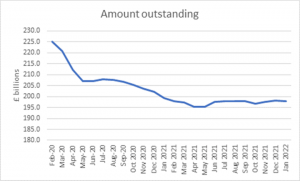
“We battened down the hatches when the pandemic struck, and after almost a decade of rising unsecured consumer debts, we started paying them back. The trend stuck for each lockdown and was most striking during the early months of the pandemic, including April 2020, when we repaid £7.34 billion in consumer debt. It certainly helped that it had become incredibly difficult to spend money. However, aside from a blip in September last year, for the past 12 months, borrowing has been rising again each month, as life has returned closer to normal. We’re still adding less to the pile of debt than we were each month before the pandemic, but this is trending upwards. As prices rise and wages fall further behind, there’s a risk that we’ll see borrowing accelerate,
Our experiences have varied dramatically, so the overall figures obscure the fact that millions of people were already having to borrow more a year into the pandemic. The FCA found in February last year that although 19% of people had repaid debts during the pandemic, 14% of people had been forced to borrow more. Those who have maxed out their borrowing will be in a particularly difficult place now that prices are rising so significantly.”
5) Real wages are falling at a time of high inflation
Sarah Coles, Senior Personal Finance Analyst at Hargreaves Lansdown:
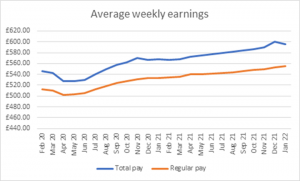
“Pay figures went haywire during the pandemic. In the early months, the number of people losing substantial portions of their work, and the number on furlough, meant that in the early months of coronavirus, pay was down 1.3% from a year earlier. This fed into figures a year later, so that subsequent rises seemed even more dramatic – at 8.8%. However, when you look at the average wage, although there have been significant bumps along the way, it has trended gradually upwards during the pandemic.



