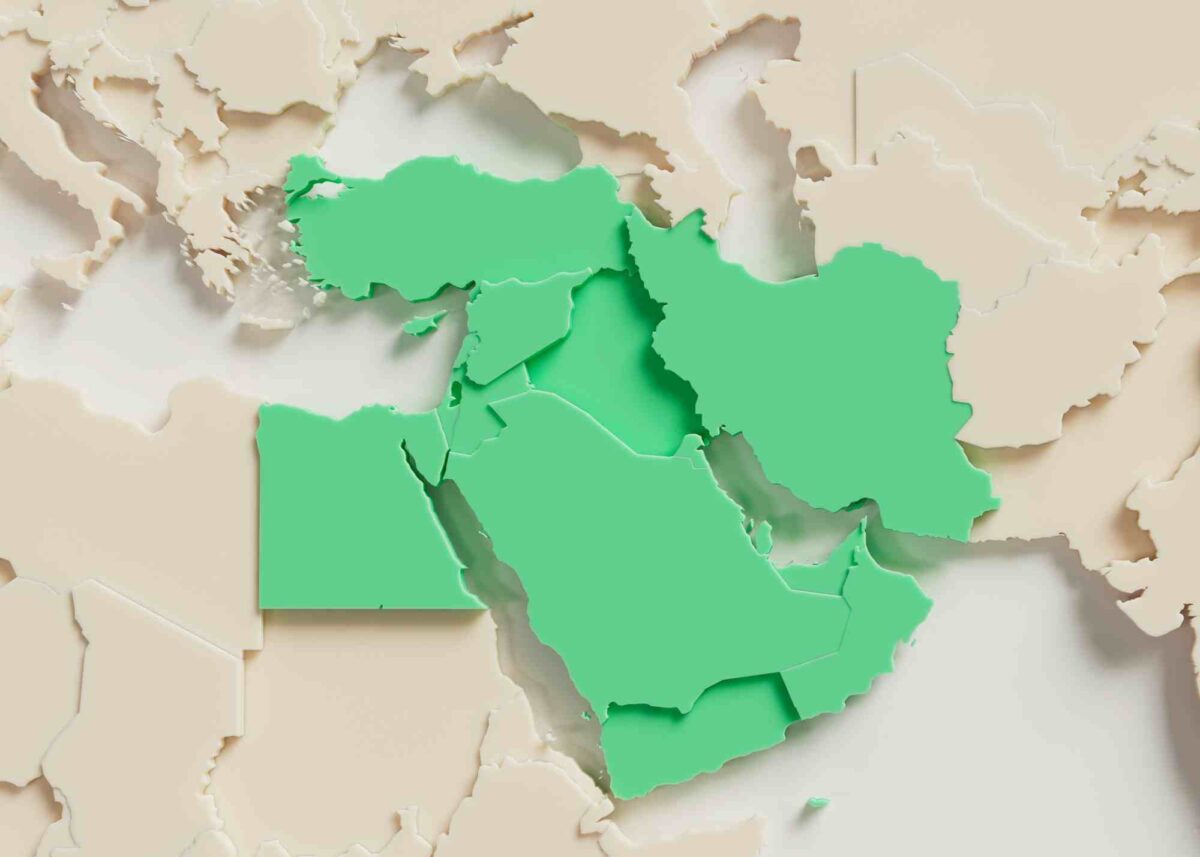
Attacks on critical energy infrastructure throughout the Middle East will reverberate for a long time, according to Cohen & Steers. Most notably, damage to Iran’s South Pars field and Qatar’s LNG export terminals has brought 17% of Iranian production offline for three to five years, as the group explain in their latest update below.
The result of this, we believe, is that volatility and high prices will persist as the world’s energy system adjusts to these new dynamics. After all, shutting down infrastructure assets is an event. Restarting them is a process.
This is consistent with our view published two weeks ago that volatile prices would create uncertainty—and that the key risk was a sustained restriction of shipping through the Strait of Hormuz, which would likely push oil prices higher and strain global supply chains.
In the short run, energy prices will fluctuate with the news around the freezing/thawing of the conflict. But we do believe the reverberations from the stepped-up conflict will have a lasting impact on energy markets and set the stage for a new geopolitical reality.
Update on what happened
President Trump threatened to destroy Iran’s energy infrastructure if it did not reopen the Strait of Hormuz, through which approximately 20% of the world’s oil typically passes. Iran countered by threatening to target desalinization and electricity generating plants across the Gulf region if its energy production facilities were hit further.
On Monday, March 23, Trump announced a pause in strikes on Iran’s energy infrastructure for five days to allow for continued “very strong” U.S.–Iran talks. For its part, Tehran claims that no negotiations have taken place, nor has its government spoken to the administration. Nevertheless, stocks and bonds rallied, and oil prices declined 10–11% on the news. While equity markets in Asia have been pressured, the S&P 500 is now down only ~4%, year to date through March 25, and the 10-year U.S. Treasury yield is just a few basis points higher than when we published our March 12 brief.
Also taking pressure off the oil market, the U.S. began releasing oil from its Strategic Petroleum Reserve on March 20, as part of the largest coordinated release of stockpiled oil on record by the International Energy Agency, in an effort to ease global supply constraints. Up to 400 million barrels of U.S. crude oil is slated for sale, at a rate of 1–1.5 million bpd, representing about four days of global oil demand.
Positioning and outlook
The conflict, which began nearly a month ago, has been more drawn out than most observers expected. The situation remains fluid, and we are watching it closely. For now, we remain comfortable with our positioning across all of our strategies, as the fundamentals unpinning them remain solid. Importantly, we are actively managing the portfolios as markets react—and potentially overreact—to the realities of the situation.
It is encouraging that the combatants appear to be moving closer toward a resolution. As we stated in our initial brief, risk premia should fade over time as geopolitical tensions ease, allowing energy prices to realign more closely with underlying supply/demand fundamentals. Should the conflict drag on, the risk to the global economy will grow. And even if it is resolved tomorrow, the effects from the escalation of attacks on energy infrastructure will be lasting.
The conflict reinforces the premise of our Future of Energy strategy—that, to meet rising demand, the world will need to rely on all forms of energy, both traditional and alternative. Given the disruption to crude oil and LNG supply, the development of nuclear, solar and wind power is likely to accelerate. Nations worldwide will also look to source more oil and gas from Canada and other areas not subject to strategic choke points.