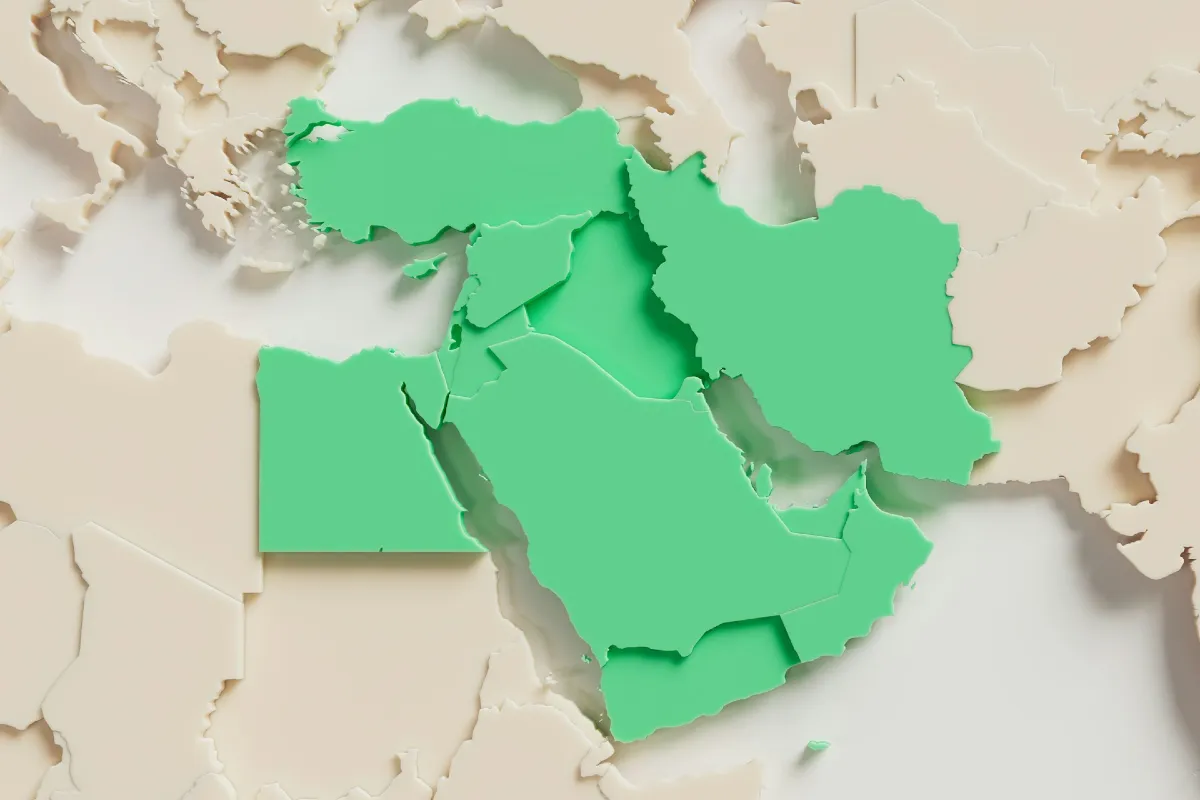
Fund groups expect the conflict in the Middle East to disrupt markets for no longer than six months, Quilter’s latest Investor Trends survey has found.
Oil prices have spiked and inflation is beginning to creep up across the globe as a deal between Iran and the US remains elusive. However, despite the differences, the respondents of our survey remain relatively sanguine about the prospect of market volatility continuing. More than eight in ten (81%) of respondents said they expect Middle East disruption to stop being a material driver of markets within six months, with more than half (56%) saying it would take no more than three months.
Meanwhile, most respondents believe that the price of oil would need to rise by a lot more to pose a challenge to equity markets. Nearly two-thirds (63%) of respondents said the price of oil would need to be in the range of US$130-$150 per barrel for equities to reprice materially lower.
The disruption caused by the Middle East conflict is playing havoc with inflation expectations and what central banks might do next. Perhaps reflecting the far lower starting point with rates, it is clear the respondents expect the European Central Bank to be the first to act. More than six in ten (63%) expect it to hike interest rates at its next meeting, compared to just 25% for the Bank of England and 19% for the Federal Reserve.
Secondary effects of the Middle East conflict, however, do seem to be on fund managers’ minds. Inflation was considered to be the biggest thing being underappreciated by markets, with more than four in ten respondents (44%) identifying it as such. This was followed by the risk of an AI-bubble (22%), recession risk (15%), and geopolitical risk (11%).
Indeed, risks now have transformed from the same time 12 months ago. This time last year concerns were rising that the blow ups in the private credit market were indicative of a ‘bubble’ bursting, and the impact on wider financial markets could be vast. Fast forward and now nearly seven in ten respondents (69%) said private credit risk was contained and problems seen are purely idiosyncratic. Meanwhile, a quarter see it as a liquidity story, while just 6% believe private credit represents a systemic risk to markets.
Indeed, fund managers also believe the wider market is pricing things in similarly, with just 4% saying that private credit is being underappreciated as a risk by investors currently.
Elsewhere in the survey, political risk was once again being considered, with events in the US and UK looming large. Only a quarter (25%) of respondents are expecting the outcome of the US midterms to lead to any sort of short-term volatility caused by policy uncertainty. The same proportion expect little to no market impact, while 44% see a positive outcome for markets as a result of increased political gridlock and thus a preservation of the status quo.
Meanwhile, in the UK, Labour Party leadership uncertainty has already caused volatility within gilt markets as investors assess the potential for further spending promises and potential tax rises. If gilt yields do remain elevated, 56% of respondents believe a reaffirmation or strengthening of the fiscal rules, even if that meant a tightening of spending, would be the most credible outcome to deal with the problem, while nearly a third (31%) see a mix of tax rises and targeted spending restraint as the best option available.
Lindsay James, investment strategist at Quilter, said:
“Events in the Middle East continue to dominate headlines, with false promises and news of developments quickly being undermined by the actions of the states involved. However, fund managers still seem relatively optimistic that we will see a resolution within six months.
“It is hard to have a high degree of confidence in this outcome given the actions of the US and Iran to date, but the expectation is that it is in both sides’ interests to get a deal over the line, and that will be celebrated by markets when it comes.
“Investors are clearly concerned that inflation will remain elevated for longer than is hoped. While they expect the price of oil would need to rise to a much higher level before equity markets repriced, inflation is still seen a being underappreciated by the wider market, and has the potential to cause disruption even in the event of a lasting peace deal with Iran.
“Meanwhile, some risks, for now, are fading into the background, with private credit concerns nowhere near the same level as last year. But political risk remains ever present, with considerable change in the political landscape expected in the US and UK. While markets will likely shrug off the majority of the changes here, there are some idiosyncratic risks, such as gilt yield levels in the UK, that cannot be ignored.”