In the following article, Michael Browne, Global Investment Strategist at Franklin Templeton Institute, shares his latest market views on inflation, central bank policy, the SpaceX IPO and rising European defence spending, highlighting key themes shaping investor sentiment and markets.
I was recently in the North of England meeting clients and trying to get a sense of the political temperature. Rather than politics, the questions on almost everyone’s mind are inflation and the SpaceX initial public offering. Summarising how one person put it, we don’t want inflation, but we do want the price to rise in the stock.
The key fear over inflation is one of uncertainty. Investors are asking if oil prices could remain at lofty levels for the rest of the year. So, the question becomes: How much inflation is already baked in?
Last week, I set out the possibility that food-price inflation may not cause a second, broader inflationary wave because prices had already risen in 2025. This could be a vital factor in preventing the second-round effects of the oil price rise.
The US Consumer Price Index (CPI) figures this week suggest something similar: Food price inflation slowed from 0.5% in April to 0.2% in May and core services inflation slowed to 0.3% from 0.5%.
If this turns out to be the peak for core CPI inflation in the United States, then the collective mindset of investors could move fast. In the range of risks to the market, inflation in the United States doesn’t feel like one.
Meanwhile, in Europe, the European Central Bank (ECB) seems to be taking a much harder stance. As we know from 2022, the second-round effects of an oil-price increase in Europe are much greater than in the United States. So, policymakers have sent a much-expected message to investors that there will not be a repeat.
In fact, they have also marked our cards that another rise is likely soon. Watch the euro to see how the markets see this. The immediate reaction was for the currency to weaken versus the US dollar, which is a surprise.
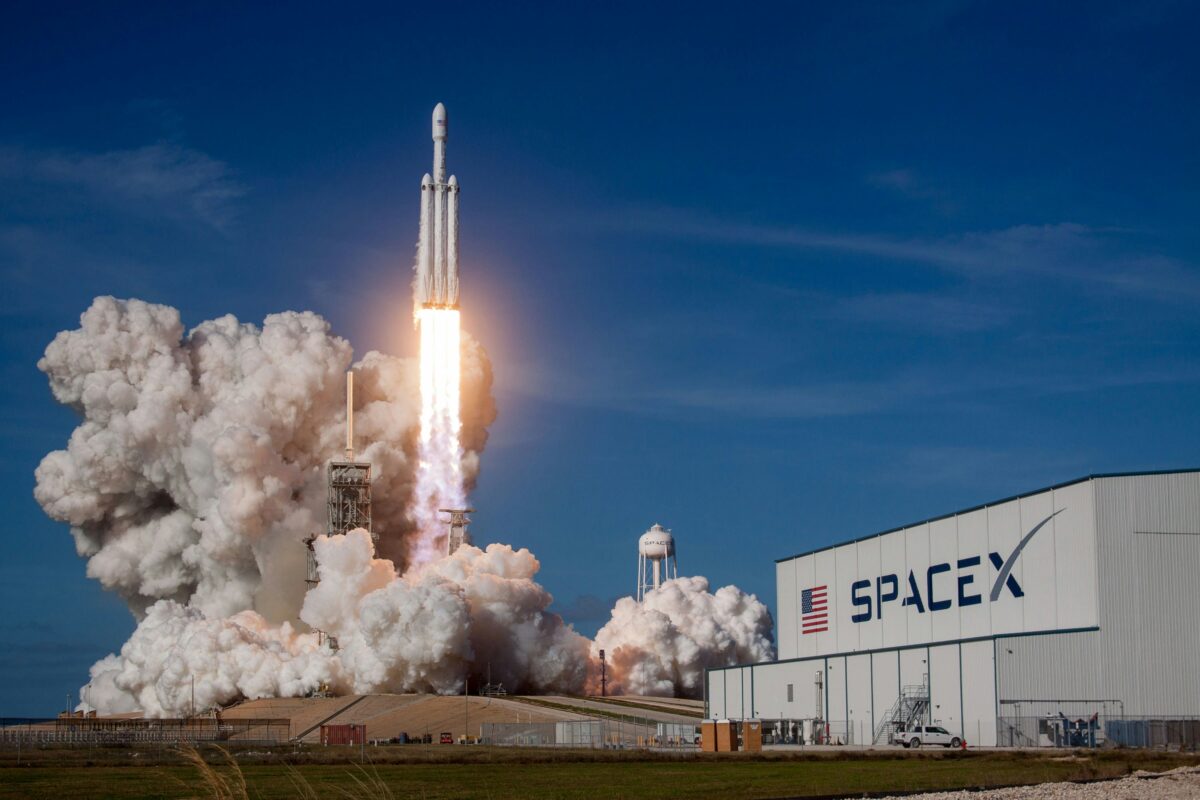
SpaceX is a much harder question for investors, as really no one is quite sure what the specific question is. It’s not whether this is a well-established business with an amazing track record. It also doesn’t seem to be about the level of near-term profitability, or even expectations up to 10 years out.
It seems that investors are considering how index funds will treat it, and how much stock retail investors will get. In other words, technical rather than fundamental questions. First, there is the size of the issue: It does not appear very large when we look at the actual placing size, and thus the implications for the likely weighting in a major index are 10 to 12 basis points (bps) at the issue price.
Of course, as the market capitalisation of the business is huge, and there are many holders worldwide, the question is more about lockups. With 95% of the issue remaining in existing hands, perhaps this is more a test of the understanding of private-equity valuation models than a test of the company’s prospects.
But what it should really be is a celebration: The private-equity model works and has created an entirely new worldwide leviathan. The naysayers think their negatives are in fashion, but they are missing the point, like they missed the stock! There will not be another SpaceX, but we should admire the achievement and continue to look for value created by this remarkable investment model.
Meanwhile in the United Kingdom, the political team the prime minister appointed to manage the UK military and its defence systems resigned. Among the departing was a recently retired special forces colonel. They stated the UK government was not going to meet the commitment to spend 3% of gross domestic product on defence by 2030.
This action, just in front of the next NATO meeting, highlights the pressure on budgets, but also, more importantly, emphasises that for European nations, raising defence spending is non-negotiable. The defence stocks may have run ahead of themselves, but the money will be there, it appears.