Aberdeen, the specialist asset manager, has issued its latest quarterly ‘House View’ on the macro-economy and investment outlook.
The outlook is for continued global economic expansion in the second half of 2026 and beyond, supported by AI-driven investment, resilient consumption, and fiscal easing. Growth is expected to run above trend at around 3.2% this year, although inflation remains elevated following the recent energy shock.
While the macro environment remains supportive for risk assets, Aberdeen highlights that uncertainty is high, with geopolitical risks, inflation volatility, and late-cycle dynamics limiting overall conviction.
“The global economy continues to show resilience, supported by strong corporate earnings and the ongoing AI investment cycle. However, we are clearly in a more complex phase of the cycle, where geopolitical risks remain elevated and inflation shocks are more frequent.
Our base case scenario assumes a stabilisation in oil markets and continued economic expansion, but tail risks remain material. Investors should therefore remain constructive on risk assets, while maintaining diversification and resilience in portfolios.”
Peter Branner, Chief Investment Officer, at Aberdeen Investments
Aberdeen expects inflation to remain higher than previously anticipated due to lingering energy effects, although underlying pressures are expected to moderate. Central banks are therefore likely to move rates by less than markets currently expect:
- The Federal Reserve is expected to remain on hold in 2026, with rate cuts resuming in 2027
- The Bank of England and ECB are also likely to pause tightening
- The Bank of Japan is expected to continue gradual rate increases
China continues to benefit from AI and green-tech demand, although weak domestic consumption and property sector challenges are likely to prompt further targeted policy easing.
Emerging markets broadly remain resilient, supported by AI-linked capital expenditure, though performance varies between regions.
“The global economy has entered a regime of higher inflation volatility, driven in part by geopolitics and disruptions to supply chains. While the energy shock is proving temporary, future supply-side shocks may become more frequent.
This raises the probability of environments where equities and bonds move together, reinforcing the importance of diversification across other asset classes and regions.”
Paul Diggle, Chief Economist at Aberdeen Investments
US Dollar
Aberdeen has downgraded its view on the US dollar, though it still sees the currency appreciating. The reduction reflects an easing in geopolitical risk premium, but the currency continues to be supported by relative US growth outperformance, AI‑driven capital inflows, and the potential for a lasting hawkish shift at the Federal Reserve. Over the longer term, however, gradual diversification away from the dollar, including rising central bank gold holdings, may act as a structural headwind.
Emerging Markets
Aberdeen remains positive on emerging markets bonds and equities, where growth continues to outperform pre‑pandemic trends and benefit from AI‑driven capital expenditure, particularly across emerging Asia. While the recent energy shock may temporarily weigh on non‑commodity exporters, structural tailwinds remain supportive, and many Latin American economies retain scope for further monetary easing. However, dispersion across the region is increasing, with performance concentrated in a narrow set of technology‑linked exporters.
Private credit
The Aberdeen House View maintains a neutral stance on private credit, reflecting building late‑cycle concerns. Investment grade segments remain resilient and the yield pick-up over public markets is attractive. But there are emerging signs of stress in parts of the direct lending market, with concerns around underwriting standards, fund liquidity, and the potential for deterioration as the cycle matures.
Real Estate
Resilient tenant demand and stable income streams support Aberdeen’s decision to remain positive on global direct real estate. Performance is becoming more balanced across regions and sectors, reflecting improving fundamentals, although select sectors such as UK student accommodation remain less attractive. Overall, the sector continues to offer dependable income in a more uncertain macroeconomic environment.
Infrastructure
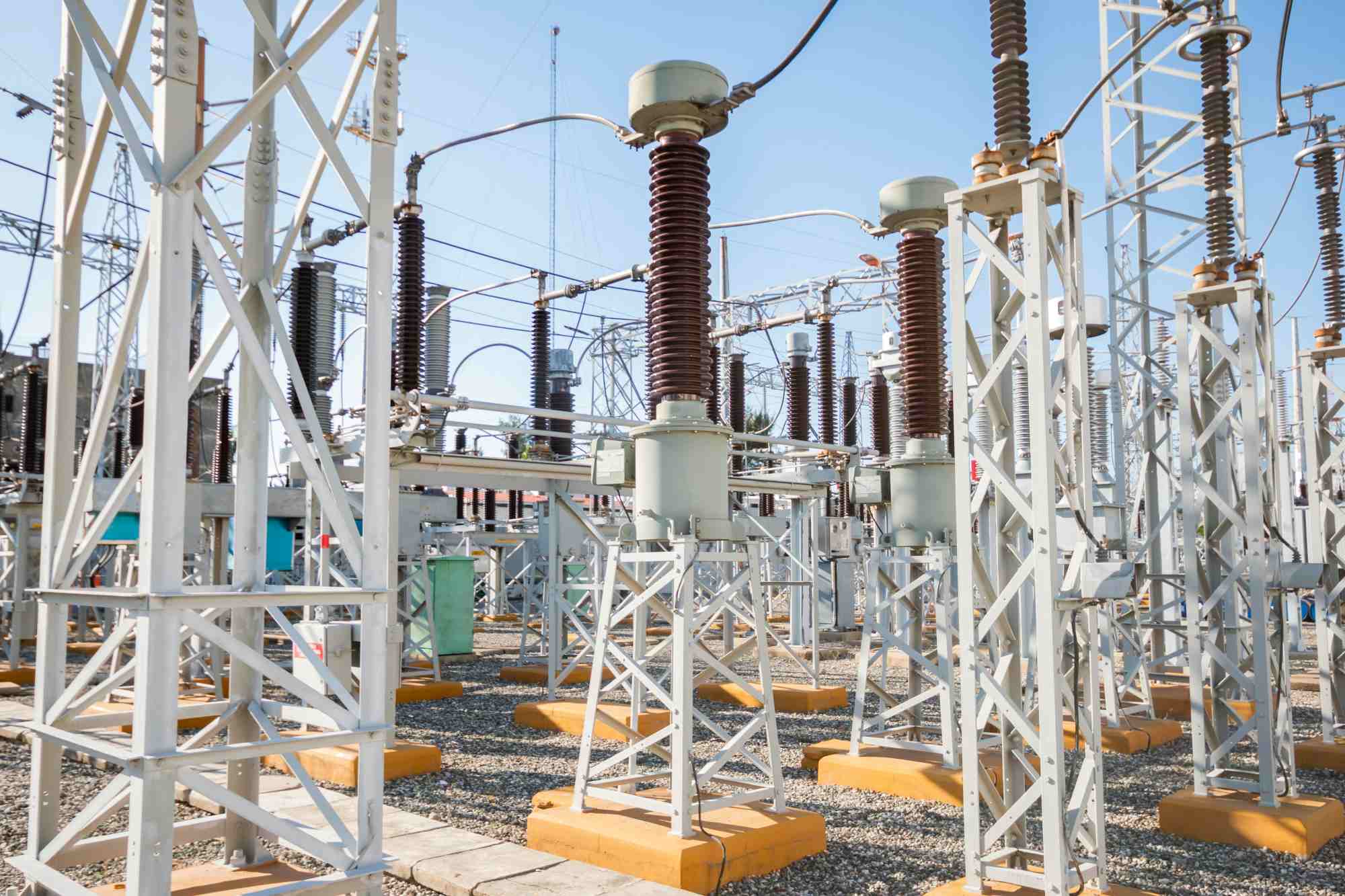
Aberdeen retains a strong positive view on infrastructure, underpinned by powerful structural drivers including digitalisation, decarbonisation and rising defence spending. Significant global infrastructure investment needs are expected to create a sustained pipeline of opportunities, with private capital playing an increasingly important role. While renewable energy continues to dominate deal volumes, digital infrastructure is capturing a growing share of total value, and valuations are generally most attractive in small and mid‑market transactions.