Internet of Food Things
Another is increased automation. Compared to other parts of the food industry, meat production is very labour intensive. This became a vulnerability during the virus outbreak as plants struggled to remain operational with severely depleted workforces. Many producers now see technology as means to improve their resilience.
The same is true for industries beyond meat. Greater use of automated systems would not only ensure food security and quality, however. It brings the added benefit of more efficient resource use. According to our Advisory Board, the production lines of the future will be built on sensor networks, the Internet of Things and blockchain technology. Other points in the supply chain are also set to make greater use of technology, particularly logistics and distribution.
The public health crisis has also trained a spotlight on food hygiene standards. Unsettled by the rapid spread of the virus, consumers have understandably become concerned at the possibility of food being a transmitter of disease. Technology can help assuage such fears, our Advisory Board members say.
The food industry is home to a growing number of specialist companies developing advanced food testing and diagnostics services. Our advisors expect food producers to invest more heavily in sustainable grocery packaging that has antibacterial properties, and make greater use plastic alternatives or other innovative technologies such as QR codes. Interestingly, these products not only improve food safety and reduce the risk of contamination, they are also good for the environment as they can help reduce waste.
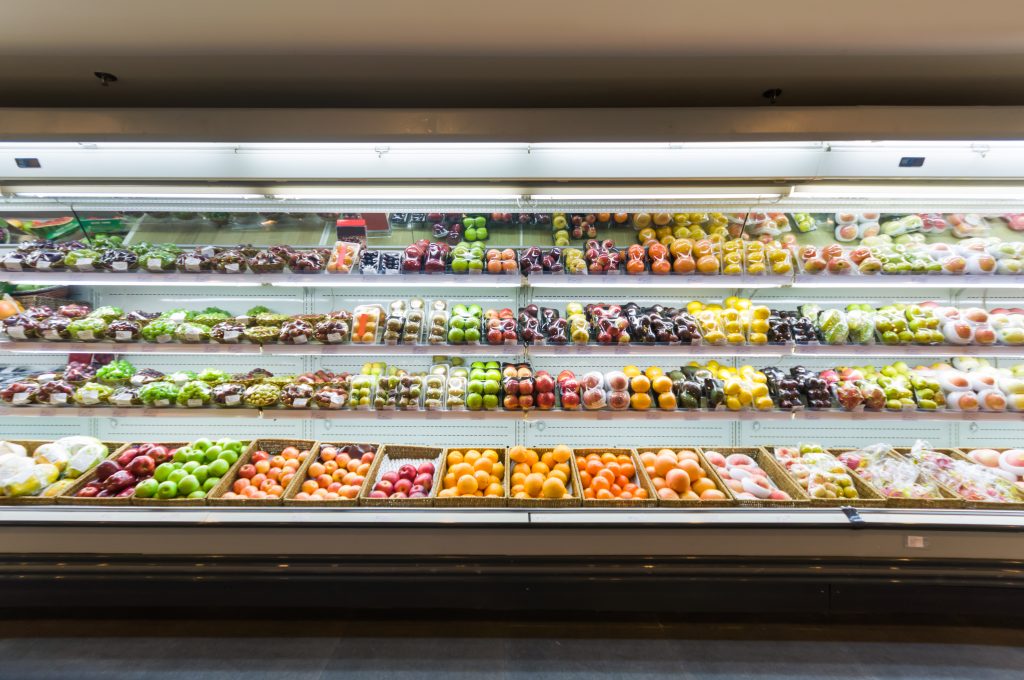
Waste is one of the food industry’s biggest problems. Europe alone wastes an eye-watering 20 per cent of all produced food, worth some EUR143 billion a year.6
Taste of the future
Faced with a growing world population and climate change, the food industry was already under severe strain even before Covid-19 struck. Looking ahead however, the pandemic could help revitalise it. If food producers and distributors move quickly to deploy advanced technology and innovation to meet growing consumer appetite for food that is healthier and more sustainable, the industry will be fit to meet the demands of the 21st century.
[1] Accenture COVID-19 Consumer Research, conducted March 19–25 and April 2–6, 2020
[2] Includes organic, Fairtrade, Rainforest Alliance and Marine Stewardship Council (MSC) certified product. https://www.mintel.com/press-centre/food-and-drink/eating-with-a-conscience-ethical-food-and-drink-sales-hit-8-2-billion-in-2018
[3] COVID-19 Disruptions in the US Meat Supply Chain, Federal Reserve Bank of Kansas City
[4] Popkin, BM, Du, S, Green, WD, et al. Individuals with obesity and COVID‐19: A global perspective on the epidemiology and biological relationships. Obesity Reviews. 2020; 21:e13128. https://doi.org/10.1111/obr.13128
[5] UN Food and Agriculture Organization
[6] European Commission
The Pictet-Nutrition fund: investing in the future of food
- The Pictet-Nutrition fund directs capital to companies which improve sustainability, access, and quality of food necessary for health and growth. The fund invests across the entire food chain, from farm to fork.
- Long-term growth potential:both governments and consumers are demanding higher quality food and improved diets. Therefore, companies enabling better nutrition should benefit from growth.
- Responsible and sustainable approach:companies that provide solutions to increase output with minimal resource use and waste (i.e. lower environmental impact) will be crucial in the shift toward a more sustainable food system.
- A diverse and resilient opportunity set:across several sectors and geographies with different characteristics; supported by strong long-term secular growth tailwinds.
This marketing material is issued by Pictet Asset Management (Europe) S.A. The value and income of any of the securities or financial instruments may fall as well as rise and, as a consequence, investors may receive back less than originally invested. Only the latest version of the fund’s prospectus, KIID (Key Investor Information Document), regulations, annual and semi-annual reports may be relied upon as the basis for investment decisions. These documents are available on assetmanagement.pictet or at Pictet Asset Management (Europe) S.A., 15, avenue J. F. Kennedy, L-1855 Luxembourg.
Click here for more information about Pictet Asset Management