In the job market, US data do not yet show any improvement as the number of open positions still far exceeds the number of job seekers. However, the last JOLTS report showed some slight easing. And things should continue to improve: those who are currently out of the workforce will soon be forced to return to the labor market once the stimulus checks from the post-covid support program have expired. An easing in the availability of job seekers is therefore expected. A situation which is also relevant in Europe.
The situation is however less encouraging on the energy front. Oil and natural gas prices are off their autumn peak but remain at elevated levels. High frequency indicators on oil shows a supply deficit of around 2 million barrels a day. The United States and Japan have just announced that they want to tap into their strategic reserves – a measure that will surely be insufficient to remedy the structural problems currently facing this industry – i.e divestments from fossil fuels not sufficiently offset by renewable energy sources and / or energy alternatives. Only political wills (e.g more production on the part of OPEC) could make it possible to rebalance the supply-demand situation. Unless the economic recovery is less vigorous than expected …
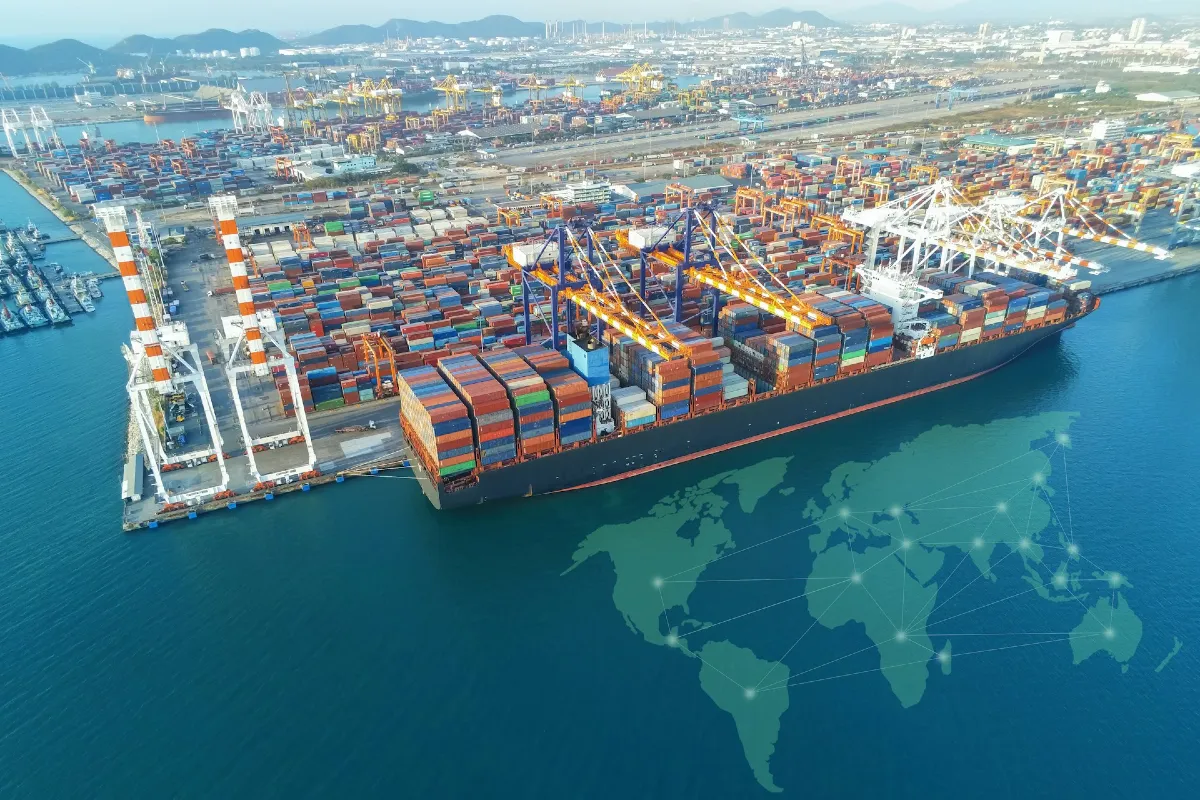
Besides the energy which remains a wild card, it seems that a good number of the supply bottlenecks aforementioned could in fact peak almost at the same time. Which reminds us of those epic moments when we try to squeeze the ketchup out of the bottle. At first, we tap and tap but nothing comes out. Ketchup, a fluid with a high viscosity, has difficulty in flowing unless it is under sufficient pressure. From then on, the ketchup springs up and sometimes we end up with more condiment than we need on the plate…
This could be the case for the supply of semiconductors, labor and means of transport. It is quite conceivable that this could apply simultaneously to the different parts of the economy which are currently facing congestion problems. And thus offer an unexpected breath of fresh air to the inflationary situation.
These probable improvements in supply corroborate Bank Syz macroeconomic scenario for 2022: a gradual normalization of growth and the inflation rate. Indeed, we continue to believe that beyond the adjustments linked to the exceptional situation of the pandemic, the general evolution of prices will face the same headwinds that were in place before the covid, i.e the 3 “D” – demography, digitization and debt – factors with a proven deflationary impact.
Even in our core scenario which is for global economic growth to remain above potential next year, an improvement in the supply situation combined with these secular trends should indeed contribute to a gradual normalization of inflation in 2022.
Beware, however, of a possible spoiler, which turns out to be the root cause of the current imbalances: the covid and the lockdowns it imposes. As we have unfortunately seen in recent days, the sharp rise in cases in Europe and the United States raises fears of new lockdowns. The latter could again undermine the supply chains and destroy some of the efforts made.
Hopefully, we won’t have to shake the bottle for too long…