A new paradigm
If, however, everyone was incentivised to do what they can, with what they have, and ensured that a quantifiable and measurable sense of purpose, as well as profit, was built into their business model from the very outset, then the scale of change that is achievable would inevitably aggregate to create the type of economy we need to see if we are to truly address the social, environmental and climate challenges we know we all face.
It shouldn’t be about an elite few feeling worthy, and the rest trying to prove they are just ‘not bad’. It should be a democratised, affordable, and accessible process that is available to all, from the largest multinationals to the smallest start-ups. And it can be if a few simple conditions are met.
The first is that we agree on a common set of indicators that measure intent and purpose in the early stages of a business, followed by outcomes as they scale. We all know how important a company’s culture can be and trying to change that once scale has been achieved is incredibly tricky. It is far better to ensure that the intent to make the right decisions and implement the right practices is established from the outset, than get a team of very expensive ‘experts’ to come in once business practices have been established to tell you how they can be improved or, worse, undone.
The second is that the practices that are measured are based on ease of application and not academic rigour. The classic example for us is the question in one gold[1]standard certification scheme that asks if you “know the carbon footprint of the food served in your canteen or to your clients or employees”. As opposed to checking and measuring if the company is taking the simple steps of ‘Local and Seasonal Sourcing’ and reducing the quantity but increasing the quality of the high carbon foods such as red meat that it serves.
Particularly for small companies, we think helping them develop sustainable practices is far more important than imposing unduly burdensome measurements and processes.
Lastly, investors, particularly early-stage investors should make easy and applicable sustainability indicators not only a part of how they decide on which investments to make, but part of how they measure performance over the investment period, from seed to Series A, through to exit. If every VC and PE firm made participation in a programme that allowed even the smallest firms to set out with the right intent, and measure their progress as they scale, the net end-result would be enormous, and we would reach that anticipated sustainability tipping point far quicker than is currently predicted.
Democratising sustainability must be the next investment catalyst if as investors we are truly serious about creating meaningful change and reaching the 2030 Global Goals. As the current dichotomy of near meaningless negative screening versus worthy but unobtainable certification is just not working.
About Mike Penrose
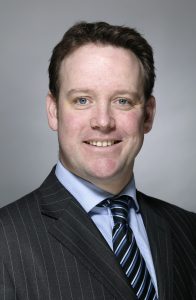
Mike is the co-founder of leading sustainability consulting firm, The Sustainability Group, and is Chair of the Investment Committee for Vala Capital’s Sustainable Growth EIS. He was an adviser on the development of the UN’s 17 Sustainable Development Goals and formerly the Executive Director at UNICEF UK.