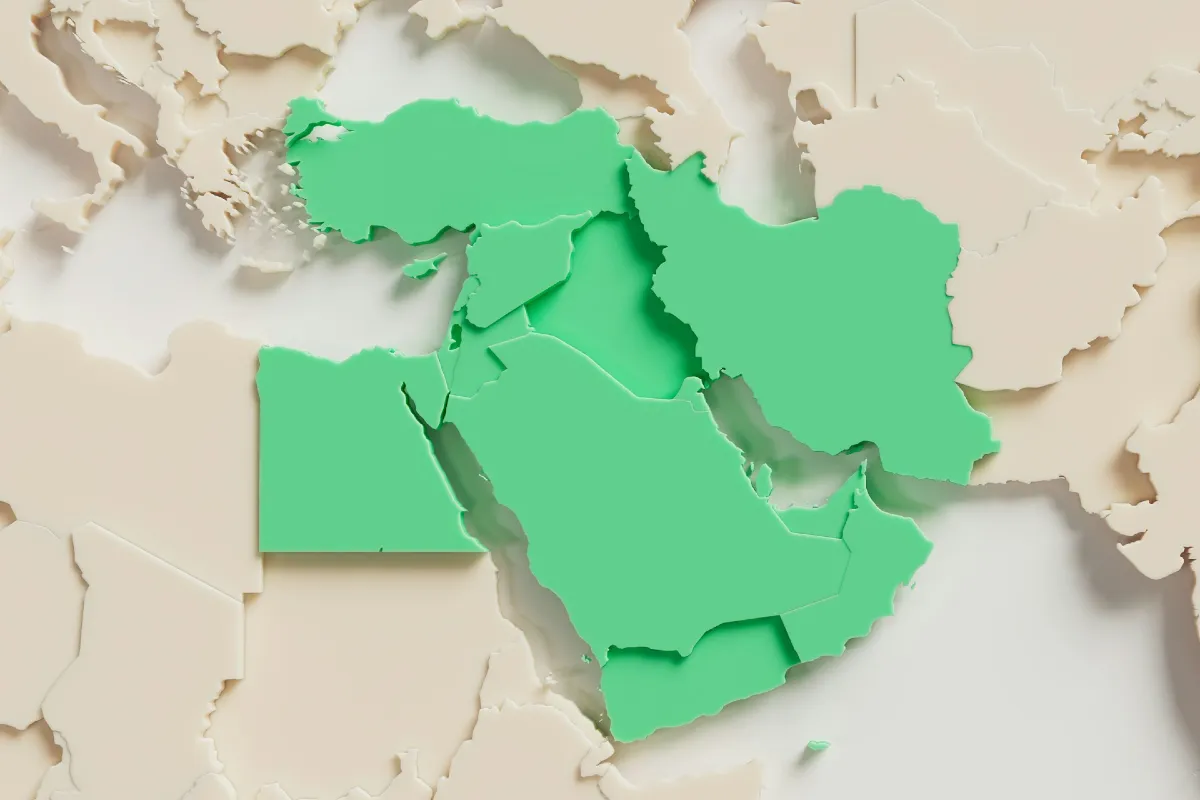
John Husselbee, Head of the Liontrust Multi-Asset team, offers his views on the unfolding conflict in the Middle East.
“The attacks by the US and Israel on Iran that began in the early hours of Saturday morning, and the subsequent retaliation on multiple Middle East countries, has further ratcheted up both geopolitical tension and market uncertainty. We can expect this week to start with increased volatility, especially in energy markets, as well as across other investment markets.
“It is important to remember, however, that at this stage we are dealing with markets repricing uncertainty rather than an economic shock and its consequences. As one observer has put it, ‘this is a period of elevated risk, not yet evidence of lasting economic damage’.
“The key variable to watch is oil. Energy prices are the main channel through which geopolitical events can feed into inflation and impact growth and central bank policy. The important distinction is between a temporary geopolitical risk premium and a sustained physical disruption to supply. History shows that markets are very good at adjusting quickly once risks stabilise.
“It is also worth placing current events in a broader context. While headlines focus on the risk of a ‘hot’ conflict, the longer-term trend is towards a colder, more fragmented global environment. The world is becoming less synchronised, with old political alliances under strain or negotiation, and domestic politics have become polarised. This does not mean constant crises but it does mean markets are likely to remain more volatile than in the decade following the Global Financial Crisis.
“Against this backdrop, our message to investors remains consistent.
First, diversification matters.
“Multi asset funds and portfolios are designed for periods like this. Genuine diversification across asset classes, sectors, regions and investment styles helps absorb shocks that originate outside the economic cycle, including geopolitical events and commodity price swings.
“Second, discipline matters.
“Geopolitical events are emotionally powerful but they rarely change long term return paths unless they lead to sustained changes in inflation, earnings or growth. Reacting to headlines by making portfolio changes typically locks in losses rather than protects capital. As has often been said, ‘volatility is the price investors pay for long term returns’.
“Third, differentiation matters.
“In a more fragmented world, outcomes are increasingly uneven across regions, sectors and asset classes. Active asset allocation, valuation awareness and flexibility across equities, fixed income and alternatives are essential in navigating this environment.
“The approach of the Liontrust Multi-Asset investment team in recent years has adapted deliberately to a more complex world in which it is now impossible to rule out potential trends or events because they are seen as outside of what is rational or possible. This means broadening diversification, maintaining discipline through market stress and building portfolios that are differentiated. We believe this positioning remains appropriate given the current conflict in the Middle East.
“This is also a reminder of the power of compounding. Long term wealth creation is driven not by avoiding every short term drawdown, but by staying invested through periods of uncertainty. Missing just a handful of strong recovery days can have a disproportionate impact on long term returns.
“We continue to monitor developments closely, particularly energy markets and any signs the conflict could translate into sustained inflationary pressure or weaker growth.”