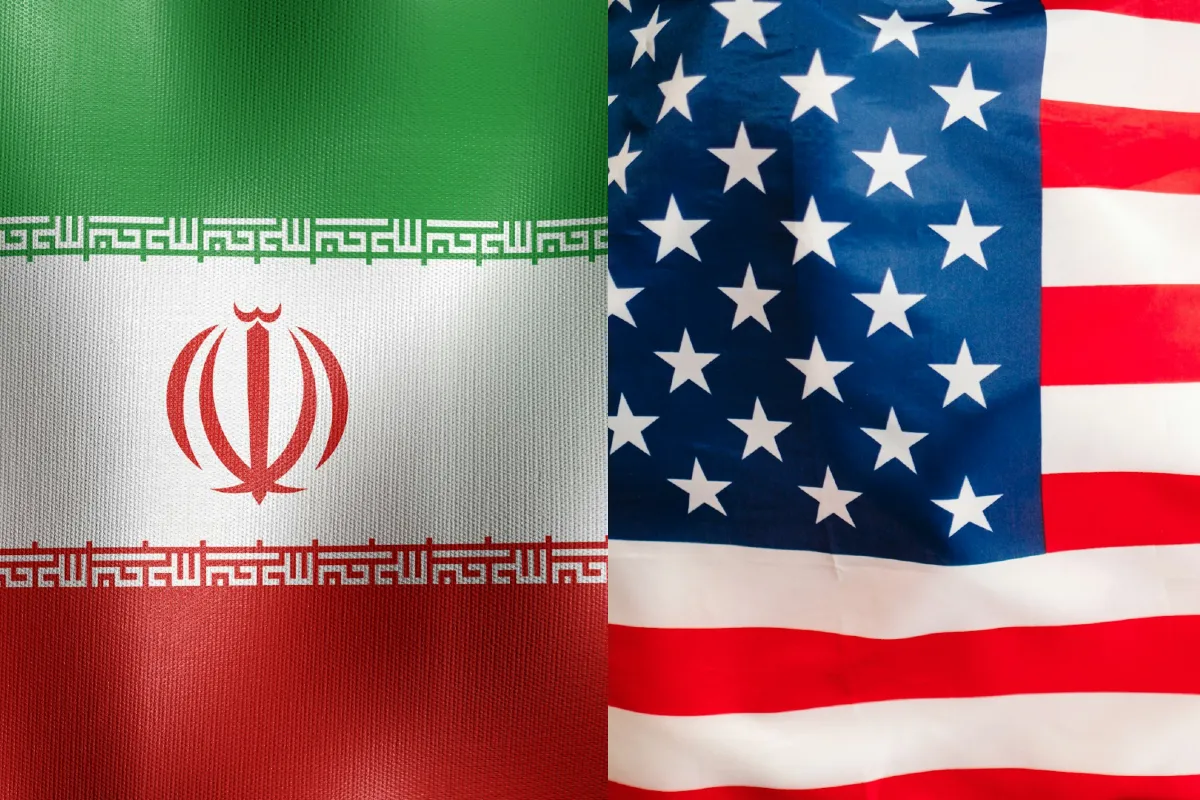
Just hours before the expiry of the ultimatum set by Donald Trump, the United States and Iran finally agreed on a two-week ceasefire, averting the threat of military escalation in the Middle East. The two countries are preparing to negotiate what could amount to a more lasting peace. Whilst each side is claiming “victory”, oil prices have fallen and equity markets have surged.
However, at this stage it is difficult to predict the course of the negotiations because, after weeks of hardline stances on both sides, significant points of disagreement remain. For example, the US president asserts that the ceasefire is conditional upon the “complete, immediate and secure” opening of the Strait of Hormuz, whilst Iranian officials believe that safe passage through the strait is “possible”, subject to coordination with their armed forces. Furthermore, Iran is reportedly finalising a joint toll arrangement with Oman to ensure it controls traffic in this strategic waterway.
Another example is Lebanon, where Israel is continuing its offensive against Hezbollah. According to the White House spokesperson, Lebanon is not covered by the ceasefire. Meanwhile, Iran is still blocking the Strait of Hormuz and is threatening to withdraw from the agreement with the United States if Israel continues to attack Lebanon.
The same applies to Iran’s enriched uranium. Determined to dismantle Iran’s nuclear capabilities, Washington has announced that the relevant stockpiles will be handed over in exchange for a partial lifting of sanctions, whereas Tehran, in its 10-point plan, specifically advocates maintaining its enrichment policy. Overall, these differences in interpretation or the lack of mutual trust could still derail the negotiation process.
But given the economic, structural and logistical costs incurred by six weeks of conflict, neither side has any real interest in resuming hostilities. The ceasefire is likely to hold, at least in the short term. If the truce holds, the damage caused so far would remain manageable in terms of growth and inflation.
On the monetary front, central banks could seek to resume their pre-conflict policies, whilst remaining vigilant regarding the impact of rising energy prices on inflation in the short and medium term. At the end of March, the OECD estimated that inflation would reach 4.2% this year in the US. The US would thus have the highest rate in the G7. However, sustained inflation usually leads to higher interest rates.
Appointed by Donald Trump to ease the Fed’s monetary policy, Kevin Warsh may therefore find it difficult to cut interest rates to satisfy the US president. This is all the more so as his appointment as head of the institution could also be delayed by the legal proceedings brought against his predecessor, Jerome Powell. If US central bankers were leaning towards a quarter-point cut this year, that was before the conflict with Iran became deadlocked and the resulting upward pressure on energy prices. Today, the markets are more pessimistic: according to the FedWatch tool, the probability of the status quo remaining until the end of the year currently stands at 83%. A far cry from the White House’s demands…
This note reflects Norman K.’s current assessment as at 09 April 2026.