Following a likely ceasefire agreement with Ukraine and amid declining economic conditions, Russia will soon enter an unprecedented period of domestic instability, predicts Matt Gertken, Chief Geopolitical Strategist at BCA Research.
Gertken’s intervention follows reports that Russia has accepted, and then quickly breached, a partial ceasefire agreement (Politico).
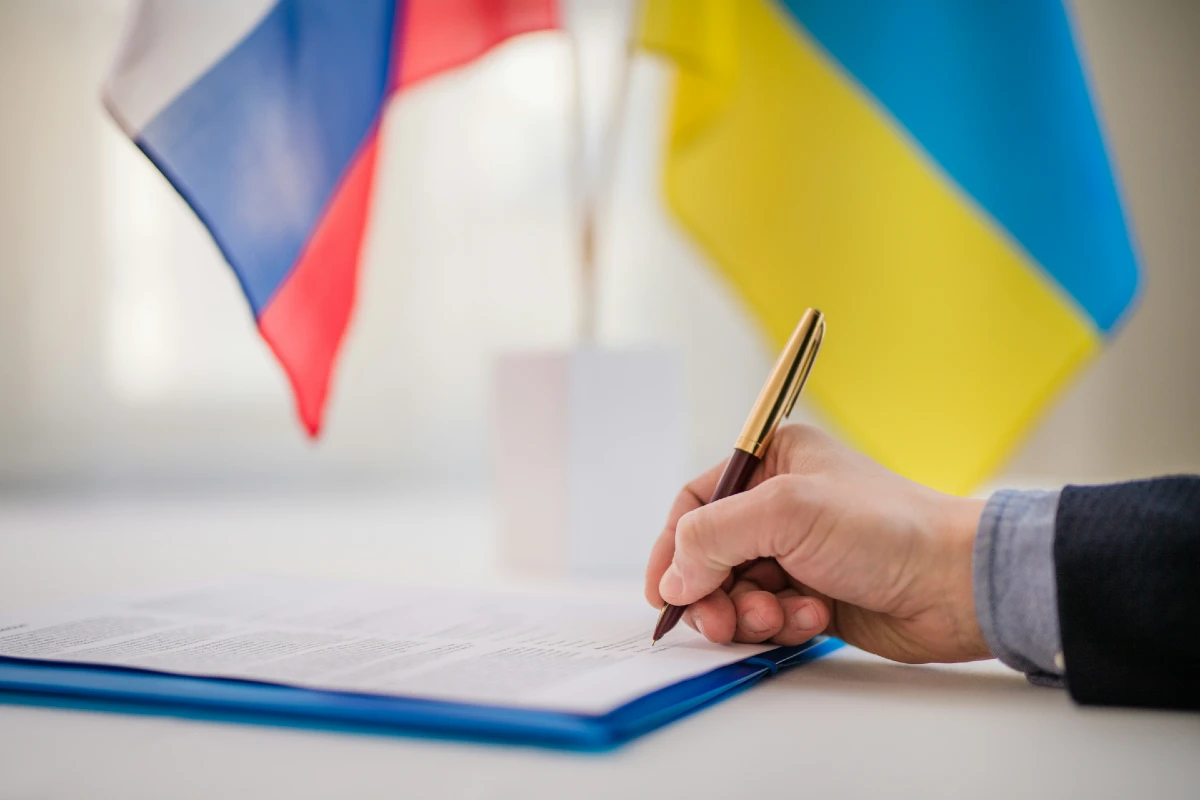
Despite the pushback, for Gertken, an initial ceasefire deal – though not a peace treaty – remains just around the corner. Putin will have to follow Trump’s lead, or he risks solidifying US support for Ukraine. Once a ceasefire is reached, it won’t be long until large cracks appear in the leader’s regime.
Russia’s inflation rate has been climbing, reaching 9.9% in January (Reuters), as the Kremlin increased military spending and its budget deficit expanded to more than 14 times larger than last year (Reuters). With the country’s National Wealth Fund also shrinking (KSE), Russia’s economic outlook is only looking challenging.
For Gertken, as wartime industrial production slows, exacerbating the country’s economic woes, and as troops start to return home to a challenging environment, public opinion will sour, and power struggles could emerge.
Matt Gertken, Chief Geopolitical Strategist at BCA Research, said: “Russia knows the US and Europe will only increase their support for Ukraine should Moscow outright reject a ceasefire deal. A ceasefire, though not a peace treaty, is still a likely prospect and could spell trouble for Russia’s domestic stability.
“Ultimately, a ceasefire would mean a slow-down in industrial production and troops returning home to a drastically different economic environment. Moscow is already facing fiscal challenges – military spending, the country’s budget deficit, and inflation are all on the rise.
“Bringing the wartime machine to a halt will only highlight the economic headwinds Russia is tackling and eventually sour public opinion. We could even see power struggles take hold, comparable to what we witnessed during the 2023 Wagner mutiny.
“Given current market turmoil, investors should take the market rotation into European assets seriously. Policymakers know that ructions within Russia have historically led to new aggression abroad, so Europe will largely follow through with promises to expand fiscal policy and defense spending. That will help stabilize the economy amid trade wars and a US slowdown this year.
“Europe still faces many challenges, but I would not dismiss the shift to proactive fiscal policy and strategic autonomy, which is relatively positive for European industry.”