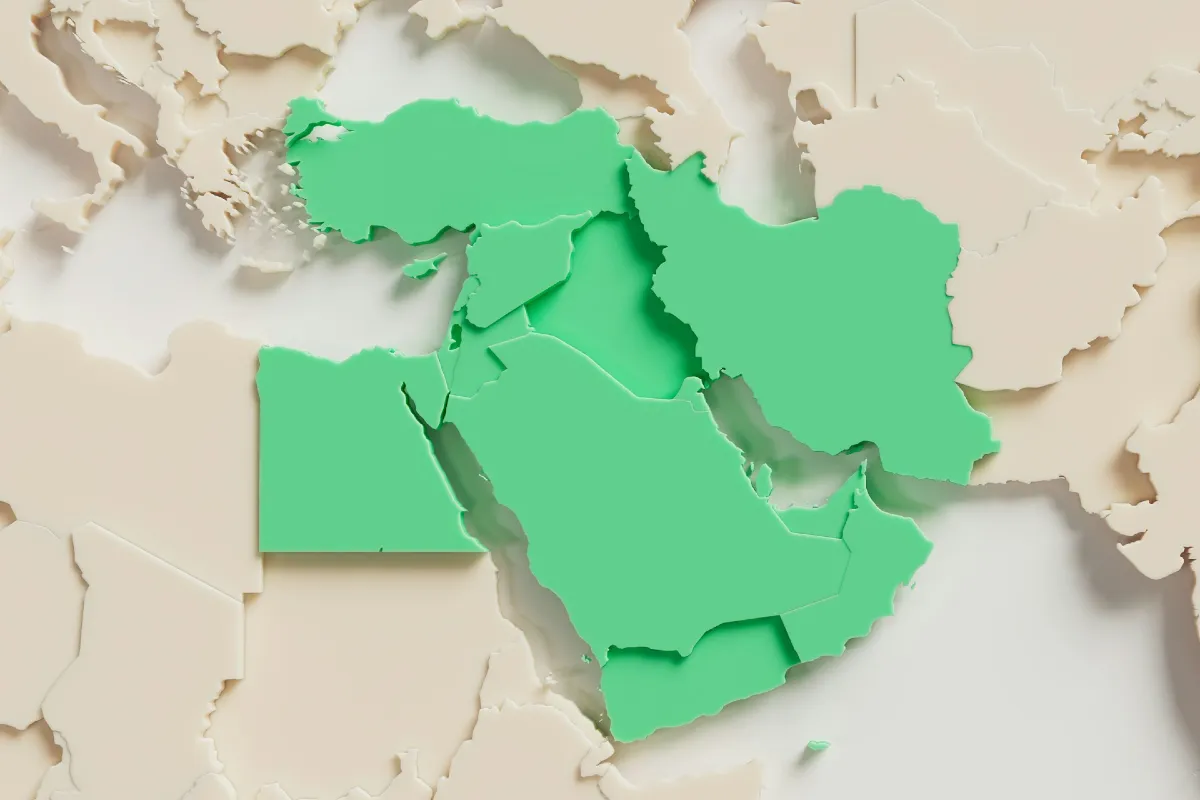
Sentiment remains highly wary on financial markets as investors assess the latest developments in the Middle East and brace for fresh turbulence.
London’s Footsie made a small recovery in early trade following yesterday’s losses, but sentiment remains highly cautious, with initial gains evaporating. Investors are nursing yesterday’s losses and trying to work out just how long the conflict may last. Indices in Asia racked up steep losses, with the Nikkei ending 3.6% lower and South Korea’s Kospi seeing trading suspended at one point as shares dived into freefall mode. The index ended 12% lower as investors fretted about the impact of high energy prices, given how reliant the country is on imports.
A fresh retreat into safe havens has pushed up gold and silver prices as the geopolitical situation remains highly unpredictable and investors strap in for another jolt of volatility.
The VIX index, known as the fear gauge, shot up sharply, jumping 23% to around 27 before falling back to end around 10% higher. The index was developed by the Chicago Board Options Exchange to help assess investor sentiment and expected volatility over the next 30 days. The gauge is still well below the level it reached last April during the Liberation Day tariff chaos.
President Trump’s promise to pay for insurance and a military guard for oil and gas tankers attempting to traverse the dangerous Strait of Hormuz has provided a balm of sorts. It’s helping keep a lid on oil prices, but nevertheless Brent Crude, the benchmark, has still risen again, heading above $84 a barrel. Big shipping companies will still be hesitant to use the channel following threats from Iran to destroy vessels, even with a US naval escort.
UK gas prices have continued to rise as supply concerns swirl amid intense disruption through the Strait of Hormuz. It’s not yet known how long crucial facilities in Qatar will be knocked out for, which the EU relies on for around 12%-15% of imports. UK gas hit 143 pence per therm earlier, trading at the highest level in three years. It’s still unclear exactly how this will impact consumers, as much will depend on how long the conflict lasts. If higher prices are sustained, it’s likely to push up the overall rate of inflation and could see only one interest rate cut this year from the Bank of England. The Fed may also decide to hold off on a rate cut until September.
Current high gas prices could also affect the UK energy price cap for household bills in July, but even if the conflict is protracted and it edges up, it may not have a serious effect on budgets given that there’s less heating demand during the summer months. All eyes are on the duration of this conflict, and the worry is that as more countries are drawn in, it will become more complex to find a long-term solution and bring an end to the violence.
By Susannah Streeter, Chief Investment Strategist at Wealth Club