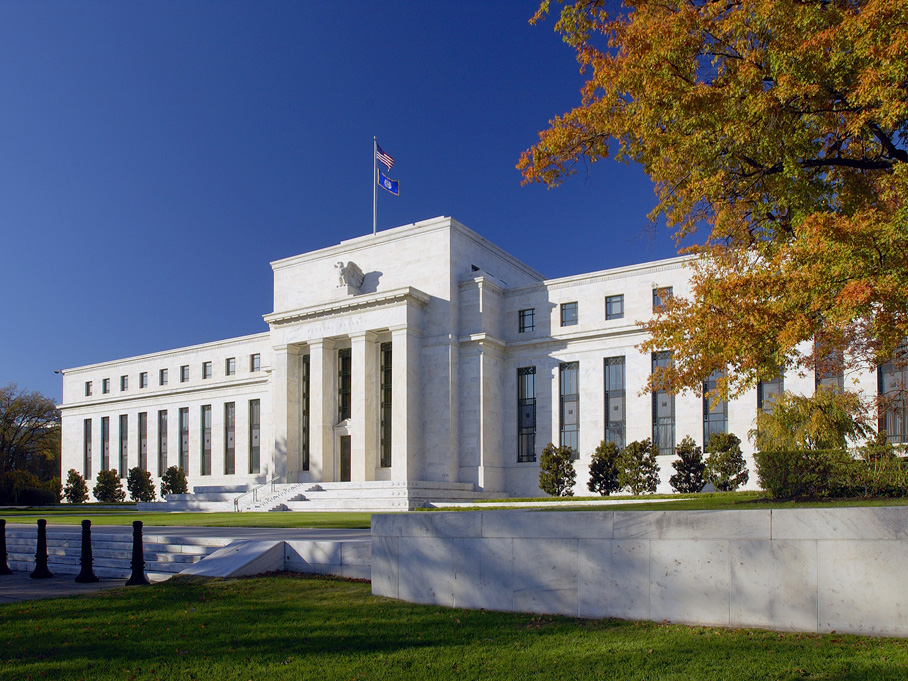
Will they or won’t they cut rates this week? Back in December, the US Fed cut short-term rates by 25 basis points to a range of 4.25%–4.5% The Fed also indicated that we might be likely to see just two more cuts in 2025, as the ‘higher for longer’ mantra continued doing the rounds.
Sharing his views on what markets might expect this week, Christian Scherrmann, DWS Chief U.S. Economist, said:
“We expect the Fed to remain on hold at the upcoming January FOMC meeting, but current data may suggest a less hawkish stance than in December. Recent inflation data keeps the door open for further, but limited, rate cuts, and labor markets – despite robust hiring – are not currently a source of inflationary pressure. What remains, however, is policy uncertainty. While central bankers now have some input from the new administration, it remains unclear how tariffs will be used, not to mention how fiscal policy will be shaped. Moreover, growth and disinflation in 2023 and 2024 were supported by a large inflow of working-age people, but early estimates suggest that this inflow will decline significantly going forward. The economic consequences are difficult to assess, and it remains uncertain whether potential disinflationary trends from lower growth can offset potential price pressures from tighter labor markets due to reduced labor supply.
“As for tariffs, the question remains whether they are truly an instrument of economic statecraft or whether the administration intends to use them to finance spending. We expect a hybrid outcome in which they are first a foreign policy tool and later, as trade deals are finalized, may contribute somewhat to government revenues. This implies a narrative of fewer tariffs and a more gradual phase-in, which could support expectations of a less significant impact on inflation. There seems to be a mixed debate among central bankers on this issue. A mild and punctual increase in tariffs could disappear from inflation calculations after a year, but broad and significant tariffs could support domestic demand for certain goods to such an extent that a price and wage spiral becomes possible. While central banks are likely to ignore temporary price increases from tariffs, they will need to respond to more permanent price pressures emanating from labor markets.
“All in all, given the still incomplete input from the administration, we stick to our expectation of a Fed that will most likely cut rates a bit further in March and maybe June before turning to wait-and-see on the back of still resilient inflation. Needless to say, the risks are tilted to the upside at the moment.”
Erik Weisman, Chief Economist and Portfolio Manager of MFS Investment Management, said:
‘The Fed meets this week, with the universal expectation that the policy rate will remain unchanged. Nonetheless, the market will have many questions. But we probably will not get too many answers. With no new “dots” or new macro forecast numbers to look at, the main action will be focused on Chair Powell’s press conference. Heading into this Fed meeting the market is pricing in a roughly 25% chance of a Fed cut in March and is not fully pricing in the next cut until June. Will the press conference offer us anything to alter those expectations?
“Aside from the usual focus on the Fed’s assessment of recent economic growth and inflation dynamics, markets will be most interested in what Powell thinks of President Trump’s policy actions and proposals so far. Not wanting to front run actual Trump policy implementation, Powell will likely be relatively reserved, seeking more time to make any decisive judgments. Indeed, tariff policy in week one has been less invasive than expected, though the breadth and scope of future actions remains highly uncertain. In contrast, Trump’s initial moves on immigration and deportation have been far more forceful and impactful. Anecdotal evidence already strongly suggests that the labor force participation rate could be negatively affected almost immediately, with potential ramifications for wage and consumer inflation rates. But without official data to validate this possibility, Powell is likely to wait and see. The market is also getting anxious to hear about the Fed’s plans to end quantitative tightening. The Fed feels pretty comfortable that bank reserves remain ample and that there is little risk of repeating the miscalculation from the previous episode of quantitative tightening. But with the binding debt ceiling affecting the Treasury General Account and the reverse repo facility, the signals the Fed will want to monitor may become quite muddied. The market would love to see an expeditious termination of QT to mitigate the chances that the Fed gets it wrong.’